
DNA Methylation: Unlocking Ageing Insights
Longevity, DNA Methylation, Personalised Health
DNA Methylation Testing: A New Lens on Ageing and Personalised Health
DNA methylation testing is transforming how we understand ageing, disease risk, and the impact of lifestyle on our health. Instead of asking only, “What genes did I inherit?” this powerful omics tool asks, “How are my genes actually behaving right now?” The answer offers a precise window into your biological age, your resilience, and how effectively your body is handling inflammation, detoxification, hormones, and immune defence.
What Is DNA Methylation Testing?
DNA methylation testing is a type of epigenetic analysis that looks at chemical tags called methyl groups attached to your DNA. These tiny tags do not change your genetic code, but they strongly influence how your genes are switched on or off. By measuring patterns of methylation at thousands of specific sites across your genome, the test provides a detailed snapshot of how your body is functioning at a cellular level right now.
Modern DNA methylation panels can be used to calculate your biological age, assess your capacity for detoxification, evaluate inflammation and immune activity, and provide insight into hormone regulation and metabolic health. In other words, methylation testing translates complex molecular data into practical information about how quickly you are ageing and where your health may be drifting off track.
DNA Methylation vs Genetic Testing: What’s the Difference?
Many people are familiar with direct-to-consumer genetic tests that look at your DNA sequence—the As, Ts, Cs, and Gs that you inherit from your parents. These tests are essentially a blueprint. They tell you about your underlying risk for certain traits or conditions, such as how you might metabolise caffeine or your predisposition to high cholesterol. Crucially, this sequence stays almost entirely the same from birth to death.
DNA methylation testing is different. It does not ask, “What genes do I have?” but rather, “How are my genes being used?” This is the realm of epigenetics—the layer of regulation that sits on top of your DNA and responds dynamically to diet, sleep, stress, toxins, infections, and overall lifestyle. Unlike your static genetic code, methylation patterns are modifiable. They can improve or worsen over time, which is why methylation testing is so valuable for tracking progress and guiding personalised interventions.
📌 Key Takeaway: Genetic testing shows your inherited blueprint; DNA methylation testing shows how your life is written on top of that blueprint right now.
The Biology of DNA Methylation: How It Works Inside Your Cells
At a molecular level, DNA methylation involves the addition of a methyl group—a small chemical unit made of one carbon and three hydrogen atoms—to specific sites on your DNA. These sites are often found at CpG islands, regions rich in cytosine (C) and guanine (G) bases. Specialised enzymes called DNA methyltransferases (DNMTs) place these methyl groups in response to internal signals and environmental cues.
When a gene’s promoter region (its “on switch”) is highly methylated, that gene often becomes less active or even silenced. When methylation is removed, the gene can become more active. Through this on/off modulation, DNA methylation influences thousands of biological processes, including:
Cell growth and repair
Inflammatory responses and immune signalling
Detoxification pathways in the liver and other organs
Hormone production, metabolism, and receptor sensitivity
Brain function, mood regulation, and cognitive performance
Over time, as we accumulate exposures and experiences, our methylation patterns gradually drift. Some of these changes are part of normal maturation and ageing; others reflect chronic stressors, nutritional deficiencies, or disease processes. DNA methylation testing captures this complex history and translates it into measurable, actionable data.
Biological Age vs Chronological Age: Why the Difference Matters
Chronological age is simple: it is the number of years you have been alive. Biological age, however, reflects how “old” your cells and tissues appear based on measurable biomarkers. DNA methylation patterns are among the most accurate biological clocks discovered to date, giving rise to epigenetic age or methylation age estimates that can differ significantly from your birth certificate age.
If your methylation-based biological age is younger than your chronological age, it suggests that your cells are ageing more slowly, often associated with better metabolic health, lower inflammation, and reduced risk of age-related disease. If your biological age is older, it may indicate accelerated ageing, higher cumulative stress, and an elevated risk of chronic conditions such as cardiovascular disease, diabetes, dementia, or frailty.
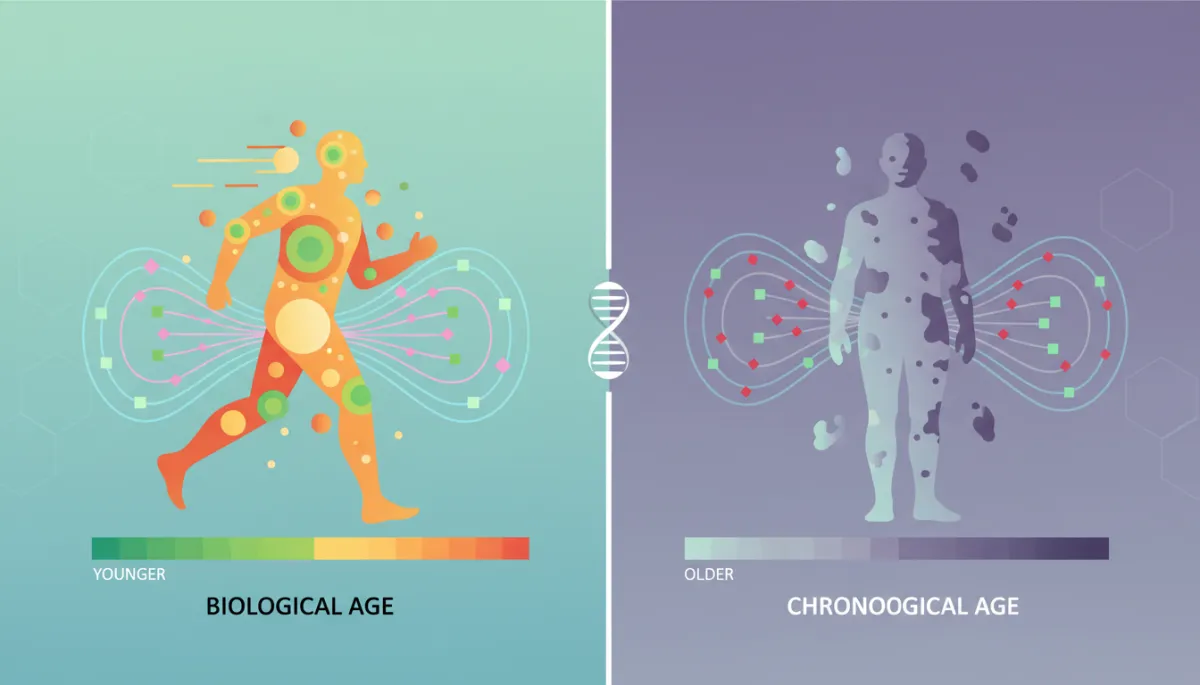
A younger biological age is linked with lower disease risk and greater resilience.
How DNA Methylation Reflects Ageing at the Cellular Level
Ageing is not just about wrinkles and grey hair; it is a progressive loss of cellular function and resilience. DNA methylation testing captures this at a microscopic scale. Researchers have identified specific CpG sites whose methylation status changes predictably with age across large populations. By analysing these sites, algorithms can estimate how advanced your cellular ageing really is.
Beyond a single “age” number, advanced methylation tests can provide insights into:
Cellular turnover and repair: Are your tissues renewing efficiently, or is repair capacity diminished?
Senescence burden: Are you accumulating more “retired” cells that secrete inflammatory signals and accelerate ageing?
Systemic stress load: Do your methylation patterns reflect chronic exposure to stress hormones, toxins, or poor sleep?
This cellular perspective is what makes methylation testing such a powerful tool in longevity medicine. It allows practitioners to detect subtle imbalances years before they manifest as overt disease, and to track whether targeted interventions are truly slowing or reversing biological ageing.
Methylation and Inflammation, Detoxification, Hormones, and Immunity
Inflammation and Immune Function
Chronic, low-grade inflammation—often called “inflammageing”—is a hallmark of accelerated ageing. DNA methylation regulates many genes involved in inflammatory pathways and immune signalling. When these genes are inappropriately activated or silenced, the immune system may become overactive (driving autoimmunity and tissue damage) or underactive (reducing defence against infections and cancer).
Methylation testing can highlight patterns consistent with heightened inflammatory tone or impaired immune surveillance. This information helps clinicians design personalised strategies to calm inflammation—through nutrition, gut health support, stress reduction, and targeted supplementation—while strengthening immune resilience.
Detoxification and Cellular Defence
Your body relies on complex detoxification systems—especially in the liver—to neutralise and eliminate environmental toxins, metabolic waste, medications, and hormones. Many of the enzymes that perform these tasks are regulated by DNA methylation. When methylation patterns around these genes are disrupted, detoxification capacity can be compromised, leading to accumulation of toxic burdens that accelerate ageing and disease.
By examining methylation signatures associated with detox pathways, practitioners can identify individuals who may benefit from enhanced support—such as optimised antioxidant intake, targeted nutrients for phase I and phase II liver detoxification, and lifestyle changes that reduce toxic exposures in the first place.
Hormone Regulation and Metabolic Health
Hormones such as cortisol, insulin, oestrogen, testosterone, thyroid hormones, and growth factors play central roles in energy, mood, body composition, fertility, and healthy ageing. DNA methylation influences both hormone production and receptor sensitivity, shaping how your tissues respond to hormonal signals across your lifespan.
Aberrant methylation can contribute to insulin resistance, disrupted circadian rhythms, altered sex hormone metabolism, and impaired stress responses. Methylation testing does not replace standard hormone blood tests, but it adds a deeper layer of context—revealing whether underlying epigenetic patterns are supporting or undermining hormonal balance and healthy metabolism.
Key Benefits of DNA Methylation Testing
Early Detection of Risks Before Disease Appears
One of the most powerful aspects of methylation testing is its ability to reveal subclinical risk—changes in cellular function that precede symptoms or abnormal routine lab results. An elevated biological age, pro-inflammatory methylation signature, or evidence of impaired detoxification can signal increased vulnerability to chronic disease long before it becomes diagnosable by conventional standards.
This early warning system allows for proactive, personalised interventions rather than waiting for problems to fully develop. For individuals with a strong family history of cardiovascular disease, diabetes, dementia, or cancer, this can be especially valuable in shaping a preventative longevity-focused strategy.
Tracking Progress Over Time
Because methylation patterns are dynamic, they can be re-measured to assess the impact of lifestyle changes and targeted therapies. Many individuals repeat DNA methylation testing every 6–24 months to track whether their biological age is slowing, stabilising, or even reversing in response to their health programme.
This turns health optimisation into a measurable, motivating process. Instead of guessing whether your new nutrition plan or exercise routine is helping, you can see objective shifts in your epigenetic age and key functional pathways. For many, this feedback loop is the missing ingredient that keeps them engaged and consistent over the long term.
Guiding Personalised Strategies: Nutrition, Exercise, Sleep, Stress, and Targeted Therapies
DNA methylation testing is not a stand-alone solution; its real power lies in how it guides precision lifestyle and therapeutic plans. Depending on your individual results, a practitioner may recommend:
Nutrition: Adjusting intake of methyl donors (such as folate, B12, choline, betaine), increasing polyphenol-rich plant foods, balancing blood sugar, and tailoring macronutrients to support optimal methylation and metabolic health.
Exercise: Designing a movement plan that combines aerobic, resistance, and mobility training at the right intensity to reduce biological age, improve mitochondrial function, and dampen inflammation without pushing into overtraining.
Sleep: Prioritising deep, restorative sleep by addressing circadian rhythm, sleep hygiene, light exposure, and possible underlying disorders such as sleep apnoea—all of which strongly influence methylation patterns and ageing trajectories.
Stress management: Implementing practical tools such as breathwork, mindfulness, time in nature, and nervous system regulation practices to reduce chronic cortisol elevation and its epigenetic impact on immune, metabolic, and brain health.
Targeted therapies: Considering evidence-based supplements, hormone optimisation where appropriate, and other longevity interventions—always guided by your unique methylation profile and broader clinical context.
💡 Pro Tip: Methylation testing is most valuable when it is integrated into a comprehensive lifestyle and medical plan, not viewed as a one-off curiosity.
How the Test Is Performed: What to Expect
Despite the sophisticated analysis happening behind the scenes, DNA methylation testing is usually straightforward for the client. Most panels require either a saliva sample or a small dried blood spot collected via a finger-prick. Some advanced clinical tests may use venous blood drawn in a clinic setting, but the collection process remains simple and minimally invasive.
You receive a test kit with clear instructions and collection materials.
You provide the sample at home or in a clinic, following any pre-test guidelines (such as fasting or avoiding certain supplements).
The sample is sent to a specialised laboratory, where DNA is extracted, methylation sites are measured using advanced arrays or sequencing, and your data is run through validated epigenetic age and pathway algorithms.
Results are compiled into a detailed report, which your practitioner interprets in the context of your health history, goals, and other lab findings.
Turnaround times vary, but most clients receive their results within a few weeks. The real value begins at that point—when the data is translated into a practical, personalised plan.
Who Should Consider DNA Methylation Testing?
While almost anyone interested in proactive health could benefit, DNA methylation testing is particularly relevant for:
Individuals 35+ who want a clear picture of how they are ageing biologically and how to maintain vitality into later decades.
People with a family history of age-related diseases such as heart disease, cancer, dementia, or type 2 diabetes who want to take proactive, personalised steps to reduce risk.
High performers and busy professionals experiencing burnout, sleep disruption, or unexplained fatigue, who suspect that stress may be accelerating their ageing.
Health enthusiasts already investing in nutrition, exercise, and supplements who want objective feedback on what is actually working at a cellular level.
Patients in longevity or functional medicine programmes who are implementing targeted therapies and wish to track biological age and functional improvements over time.
Lifestyle and DNA Methylation: How Your Choices Rewrite Your Biology
One of the most empowering findings in modern epigenetics is that lifestyle can change methylation patterns. Your daily choices—what you eat, how you move, whether you sleep deeply, how you manage stress, and the environment you live in—continually influence how genes are expressed. Over months and years, these small inputs accumulate into measurable shifts in biological age and disease risk.
Diets rich in colourful plants, healthy fats, and adequate protein are associated with more favourable methylation patterns and slower epigenetic ageing.
Regular physical activity has been shown to improve methylation at genes involved in inflammation, metabolism, and vascular health.
Chronic psychological stress and poor sleep, in contrast, can drive methylation patterns associated with accelerated ageing and increased disease risk.
DNA methylation testing turns these general principles into personalised feedback. It shows how your unique life story has shaped your epigenome so far—and how you can influence its next chapter.
Can We Reverse Biological Age? The Promise of Targeted Interventions
Emerging research suggests that, under the right conditions, it may be possible not only to slow but also to reverse biological age as measured by DNA methylation clocks. Pilot studies using intensive lifestyle programmes—combining nutrient-dense diets, specific supplements, structured exercise, stress reduction, and sleep optimisation—have reported reductions in epigenetic age over relatively short timeframes.
While the science is still evolving, these findings are consistent with what clinicians observe in practice: when individuals commit to well-designed, personalised interventions, their methylation profiles often shift in a more youthful direction. This does not mean “turning back the clock” in a superficial sense, but rather improving the underlying biology that supports energy, cognition, resilience, and healthy longevity.
“You cannot change the genes you were born with, but you can profoundly influence how those genes behave across your lifetime.”
DNA methylation testing provides the scoreboard for this process, helping you and your clinical team see whether your efforts are truly translating into slower—and potentially reversible—biological ageing.
Why Expert Interpretation Matters
DNA methylation reports are data-rich and nuanced. They often include multiple biological age estimates, pathway scores, and risk indicators. Interpreting these results in isolation—without clinical training or context—can easily lead to confusion or misplaced concern. That is why expert guidance is essential.
A practitioner experienced in longevity and functional medicine can:
Integrate methylation findings with your symptoms, medical history, and conventional lab results to build a coherent picture of your health.
Distinguish between meaningful signals and normal biological variation, avoiding over-interpretation of minor deviations.
Prioritise interventions that are safe, evidence-informed, and realistic for your lifestyle, rather than overwhelming you with an unsustainable protocol.
Help you understand what changes to expect and how long it may take to see shifts in biological age and functional scores.
In short, the test is only as valuable as the plan that follows it. Expert interpretation ensures that your data becomes a roadmap for meaningful, personalised action—not just an interesting report filed away in a drawer.
DNA Methylation in Longevity Medicine: A Cornerstone Tool
Longevity medicine aims not only to extend lifespan, but to maximise healthspan—the years of life spent in good health, independence, and vitality. To achieve this, clinicians need tools that go beyond symptom management and late-stage disease detection. DNA methylation testing fits perfectly into this paradigm as a core biomarker of biological ageing and system-wide function.
When combined with advanced blood work, body composition analysis, fitness assessments, cognitive testing, and other omics data (such as microbiome or metabolomics), methylation profiling helps build a comprehensive, multi-dimensional view of your current and future health. It informs decisions about where to focus efforts first, how aggressively to intervene, and how to measure success over time.
Take the Next Step: Book a Comprehensive Longevity Consultation
If you are curious about your true biological age, concerned about your long-term health, or simply committed to performing at your best for as long as possible, DNA methylation testing offers a powerful starting point. It moves the conversation from vague ideas about “healthy living” to precise, personalised insights grounded in your own biology.
In a comprehensive longevity consultation, your practitioner will review your health history, goals, and current lifestyle; arrange appropriate DNA methylation and complementary tests; and design a tailored programme that addresses nutrition, exercise, sleep, stress, and targeted therapies in a coherent, sustainable way. Follow-up testing then allows you to see, in black and white, how your efforts are reshaping your biological age and future risk profile.
You cannot change the date on your birth certificate—but you can influence how old your cells feel and function. DNA methylation testing turns that possibility into a measurable, actionable reality.
Ready to begin? Book your consultation today to explore DNA methylation testing as part of a comprehensive longevity assessment and health optimisation plan. Give your future self the gift of informed, proactive care—starting now.