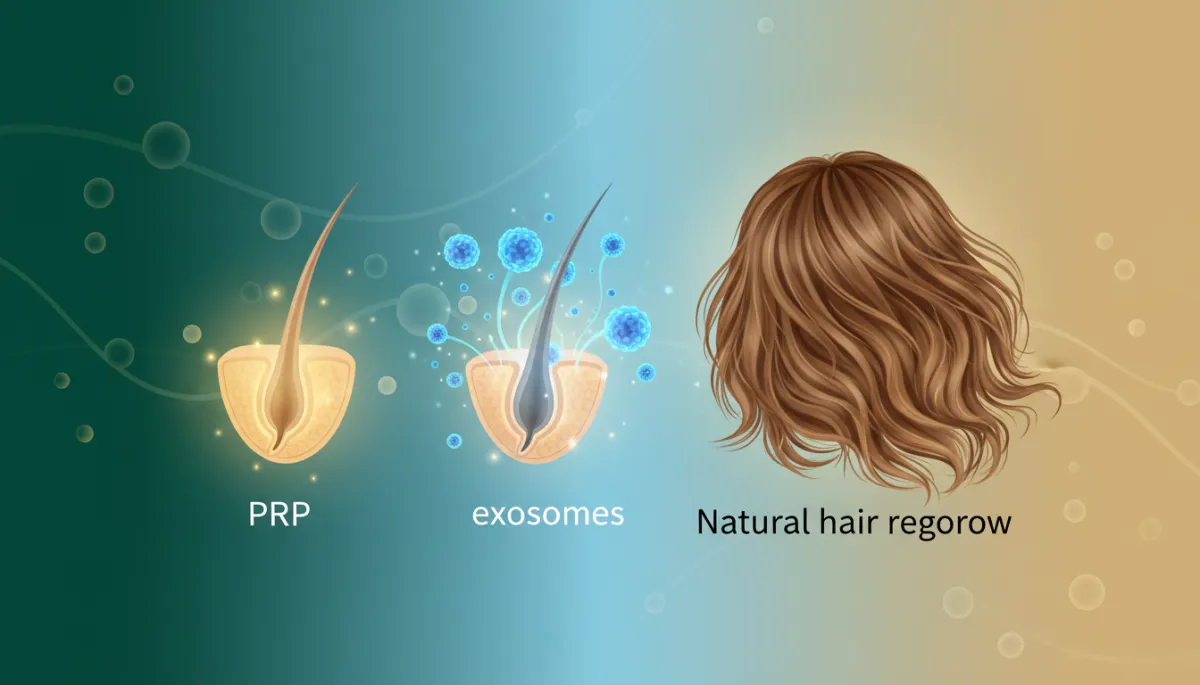
Exosomes vs PRP: Best Hair Restoration Treatment
PRP hair restoration Australia, Exosome hair treatment, Hair loss treatment Brisbane
Exosomes vs PRP for Hair Restoration: Which Treatment Is More Effective?
If you have started Googling hair loss treatment Brisbane or PRP hair restoration Australia, you have probably also come across something newer and buzzier: exosome hair treatment. Both sit under the umbrella of regenerative hair therapy and both promise natural hair regrowth treatment without surgery. But how do they actually work, and which option is likely to give you the best result?
Understanding Hair Loss: Why It Happens in the First Place
Before choosing between PRP vs exosomes hair treatments, it helps to understand what is actually going on in your scalp. Most people who enquire about a hair restoration clinic Australia are dealing with androgenetic alopecia – better known as male or female pattern hair loss. This is largely genetic and driven by hormones such as DHT, which gradually shrink the hair follicles so each new hair grows back finer, shorter, and weaker than the last.
Over time, the growth (anagen) phase of the hair cycle becomes shorter, and more hairs slip into the resting (telogen) phase. That is when you notice more shedding in the shower and a widening part, receding hairline, or thinning crown. Other causes, such as stress, illness, nutritional deficiencies or autoimmune conditions, can also contribute, which is why a proper assessment at a reputable hair restoration clinic Australia is so important before any treatment is started.
💡 Friendly tip: The earlier you address thinning, the more living follicles there are to rescue with regenerative hair therapy like PRP or exosomes.
What Is PRP Hair Restoration?
PRP stands for Platelet-Rich Plasma. It is a form of regenerative hair therapy that uses your body’s own blood to stimulate the hair follicles. A small amount of blood is taken from your arm, spun in a centrifuge to concentrate the platelets, and then the platelet-rich portion is injected into the thinning areas of your scalp. Platelets are packed with growth factors that help with tissue repair, blood vessel formation and cell signalling – all useful when you are trying to encourage sluggish follicles to behave more like they did years ago.
Recent meta-analyses up to 2026 show that activated PRP (PRP that has been treated with an activator such as calcium chloride) can significantly improve hair density and thickness in androgenetic alopecia. One large review of 43 clinical trials found average hair density gains of around 20–30% at six months, with 70–80% of patients reporting noticeable improvement. Another study reported an increase of about 19.6 hairs per square centimetre compared with placebo, especially when standardised activated PRP protocols were used. These figures help explain why PRP hair restoration Australia has become such a popular non-surgical option.
💡 Friendly tip: Ask your clinic whether they use activated PRP and how they standardise their preparation – it can make a real difference to your results.
What Are Exosomes for Hair Treatment?
Exosomes are one of the newest players in the world of natural hair regrowth treatment. Instead of using your own platelets, exosome hair treatment uses tiny messenger bubbles, usually derived from stem cells, that are rich in growth factors, proteins and genetic signals. You can think of exosomes as little parcels that cells send to each other to pass on instructions like “grow”, “repair” or “reduce inflammation”.
When these exosomes are applied or injected into the scalp, they appear to support follicle regeneration, improve blood supply and encourage dormant follicles to re-enter the growth phase. A 2026 systematic review found that exosome therapies led to an average 23–28% increase in hair density and around an 18–21% increase in hair thickness, with high patient satisfaction. In a landmark Korean randomised controlled trial, patients receiving exosomes saw a 28% rise in hair density over 12 months, compared with only 3% in the placebo group, and more than three quarters rated their improvement as “much” or “very much improved”.
On a microscopic level, exosomes appear to influence pathways such as Wnt/β-catenin, which are crucial for hair follicle growth, and they help push follicles from the resting (telogen) phase back into active growth (anagen). This is why exosome hair treatment is increasingly discussed alongside PRP hair restoration Australia as a cutting-edge option for people looking for more advanced regenerative solutions.
PRP vs Exosomes Hair: Key Differences Explained Simply
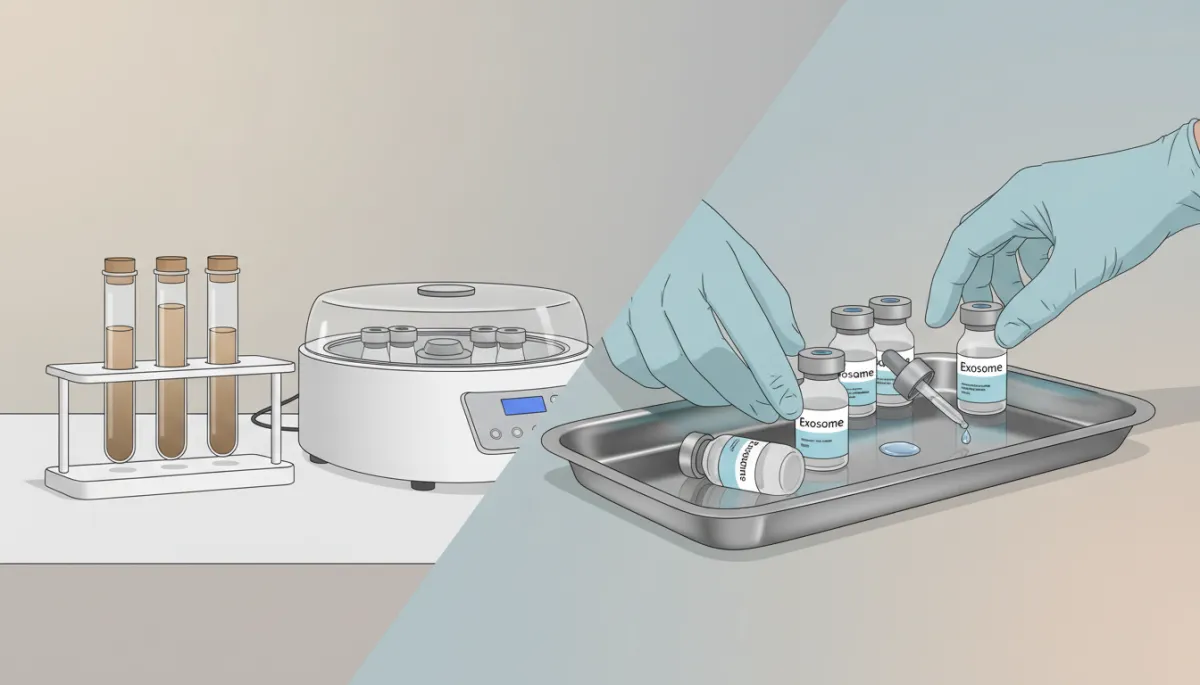
Both PRP and exosomes aim to wake up sluggish follicles, but they use different regenerative tools.
Source of treatment
PRP comes from your own blood. Exosomes are usually derived from donor stem cells (for example, umbilical cord or adipose-derived cells) and processed in a lab before reaching your clinic.What is being delivered?
PRP delivers a high concentration of platelets and growth factors. Exosomes deliver cell-to-cell communication packets containing proteins, lipids and genetic material that can influence how cells behave.Evidence so far
PRP has a longer track record, with dozens of randomised trials showing improved hair density and thickness compared with placebo and similar performance to minoxidil in many studies.1 Exosomes are newer but promising, with early clinical data suggesting 24–28% density gains and strong patient satisfaction.2Regulation and standardisation
PRP is widely used in aesthetic and medical clinics, although protocols still vary. Exosomes remain more experimental in many countries and products can differ significantly between manufacturers, so it is especially important to choose a reputable hair restoration clinic Australia if you are considering them.Cost and availability
PRP hair restoration Australia is now relatively common and usually more affordable per session. Exosome hair treatment tends to be more expensive due to the cost of producing and storing the exosome product.
1 For example, network meta-analyses in Dermatology and Therapy (2025–2026) and other journals.
2 Based on a 2026 systematic review in Aesthetic Surgery Journal and a 2026 Korean RCT.
So, Which Is Better – PRP or Exosomes?
The honest, friendly answer is: it depends on you. Both PRP and exosomes fall under regenerative hair therapy and both can support natural hair regrowth treatment when used correctly. PRP has more long-term clinical data and is generally considered a solid, evidence-based option, particularly when activated and performed in a series of sessions. Many people are delighted with the improvement in density and reduction in shedding they see over six to twelve months.
Exosomes, on the other hand, may offer a stronger or more targeted regenerative signal, at least according to early research. Some 2026 reviews even suggest that exosomes can produce similar or slightly higher percentage gains in density than PRP, although the number of high-quality trials is still smaller. Importantly, a 2026 review in the Journal of Cosmetic Dermatology reported that combining PRP with exosomes led to around 38% greater increases in hair density compared with either treatment alone, hinting that the two may actually work best as partners rather than competitors.
💡 Friendly tip: Instead of asking “PRP or exosomes?”, it can be helpful to ask, “Which blend of treatments will suit my scalp, my stage of hair loss and my budget best?”
What Results Can You Realistically Expect?
PRP Hair Restoration Australia – Typical Outcomes
With a properly planned course – often three to six sessions spaced four to six weeks apart – research suggests that many patients can expect:
Around 20–30% increase in hair density over six months, particularly in areas that are thinning rather than completely bald.
Modest improvements in hair thickness and strength, making hair look fuller and healthier overall.
Noticeably less shedding in the shower or on your brush after the initial adjustment phase.
Improvements usually start to become visible after three to four months and continue to build for up to a year. Maintenance sessions a few times a year are often recommended to keep the follicles supported, especially if the underlying cause (for example genetics or hormones) is still present.
Exosome Hair Treatment – What Early Data Shows
Because exosomes are newer, protocols vary more between clinics. However, many use a series of injections or a combination of microneedling and topical application over several sessions. Clinical studies to date suggest:
Average 23–28% increase in hair density, with some patients achieving higher gains depending on their starting point and overall plan.
Around 18–21% improvement in hair thickness, which can make hair appear denser even if the number of hairs does not double.
High satisfaction rates, with roughly three quarters of patients in some studies reporting that they feel “much” or “very much” improved at 12 months.
As with PRP, results are best when follicles are still alive, even if they are producing fine “baby” hairs. Completely smooth, shiny areas where follicles have been lost for many years are less likely to respond to any non-surgical treatment, and hair transplant may be a more suitable option there.
Safety: How Safe Are PRP and Exosome Hair Treatments?
One of the biggest attractions of regenerative hair therapy is that it aims to work with your body, rather than simply masking the problem. PRP is considered very safe for most people because it uses your own blood; side effects are usually limited to temporary redness, swelling, mild discomfort or small bruises at the injection sites. Serious complications are rare when treatment is carried out by trained medical professionals using clean, sterile technique and appropriate equipment.
Exosome hair treatment also appears to have a favourable safety profile in early research, with most patients experiencing only mild, short-lived redness or tenderness. However, because exosomes are produced outside your body, it is crucial that they come from reputable sources and are handled correctly. In some countries, exosomes for hair loss are still classed as investigational rather than fully approved therapies, so regulation and oversight continue to evolve. A trustworthy hair restoration clinic Australia will be open about the regulatory status of any product they use and will explain the potential risks and benefits in everyday language.
⚠️ Friendly reminder: Always share your full medical history, medications and supplements with your practitioner so they can assess whether PRP, exosomes or another hair loss treatment Brisbane option is safest for you.
Who Is a Good Candidate for Regenerative Hair Therapy?
You may be a good candidate for PRP hair restoration Australia, exosome hair treatment, or a combination approach if:
You have early to moderate thinning rather than complete baldness, and there are still visible hairs in the area you want treated.
Your hair loss is due to androgenetic alopecia or another condition that responds to regenerative support, rather than scarring alopecia where follicles have been destroyed.
You are generally in good health, with no uncontrolled bleeding disorders, active scalp infections or severe autoimmune conditions that would make injections unsafe.
You are happy with a gradual, natural-looking improvement rather than a dramatic overnight change.
A thorough consultation at a qualified hair restoration clinic Australia should include a scalp examination, discussion of your medical history, and sometimes blood tests to rule out nutritional or hormonal factors. From there, your practitioner can recommend whether PRP, exosomes, medication, low-level light therapy, hair transplant or a tailored combination is likely to serve you best.
Combining PRP and Exosomes: A Powerful Partnership
You do not necessarily have to choose between PRP vs exosomes hair treatments. In fact, emerging research suggests that combining them may offer the most impressive results. A 2026 review reported that PRP plus exosomes produced about 38% greater increases in hair density than either treatment used on its own over six months, as well as better improvements in skin quality in aesthetic applications. The idea is that PRP provides a rich, personalised soup of your own growth factors, while exosomes deliver extra, targeted signalling to help follicles respond more effectively.
In practical terms, this might look like a series of sessions where PRP is injected into the scalp and exosomes are either injected or applied with microneedling in the same visit. Some clinics in Brisbane and across Australia are already offering such combined protocols for suitable patients, often alongside supportive treatments like low-level laser therapy, prescription hair loss medications, and lifestyle advice to give your follicles the best possible environment to thrive.
💡 Friendly tip: Ask your clinic to walk you through a full 6–12 month plan so you can see how PRP, exosomes and other options will work together, rather than thinking in single sessions.
Key Takeaways: PRP Hair Restoration Australia vs Exosome Hair Treatment
Both PRP and exosomes are regenerative hair therapy options that aim to encourage your own follicles to grow thicker, stronger hair naturally.
PRP uses your own blood and has a solid evidence base, with typical density gains of 20–30% and high patient satisfaction when activated protocols are used.
Exosomes are newer but promising, showing 23–28% density increases and around 18–21% thicker hair in early studies, with a good safety profile so far.
PRP vs exosomes hair is not always an either–or choice – combining both may offer the most powerful boost for suitable candidates.
The best hair loss treatment Brisbane for you will depend on your stage of hair loss, health, goals, budget and how committed you are to a long-term plan.
FAQs About PRP and Exosome Hair Treatments
How many sessions will I need?
For PRP hair restoration Australia, many clinics recommend an initial course of three to six sessions, spaced four to six weeks apart, followed by maintenance every few months. Exosome hair treatment protocols vary more, but you might expect a similar pattern of several sessions over three to six months, depending on the product and your individual plan.
Does it hurt?
Most people describe PRP and exosome injections as uncomfortable rather than painful. A numbing cream or local anaesthetic is usually applied beforehand to keep you comfortable. You may feel some pressure or stinging during the injections and mild tenderness afterwards, but this usually settles within a day or two.
When will I see results?
Regenerative hair therapy works with your natural hair cycle, so changes are gradual. Many people start to notice less shedding and subtle thickening after two to three months, with more visible improvements in density and coverage from around four to six months onwards. Full results can take up to a year, especially if your clinic is combining PRP, exosomes and other supportive treatments.
Can PRP or exosomes replace medications like finasteride or minoxidil?
Not necessarily. For many people, the most effective strategy is a combination of approaches. Medications such as finasteride, dutasteride or topical minoxidil can help tackle hormonal and blood-flow aspects of hair loss, while PRP and exosomes provide a regenerative boost at the follicle level. Your practitioner can help you decide whether you should continue, adjust or avoid certain medications based on your health and goals.
Are the results permanent?
Hair loss is usually a chronic, ongoing process, especially when it is genetic. PRP and exosome treatments can significantly slow or partially reverse thinning, but they do not switch off your genetics. Think of them as a long-term support plan for your follicles: you can enjoy lasting benefits, but you will likely need maintenance treatments and a good home-care routine to sustain your results over the years.
Is there any downtime?
Downtime is usually minimal. You may leave the clinic with a slightly pink or tender scalp, and it is common to be advised to avoid harsh hair products, saunas, swimming pools and vigorous exercise for a day or two. Most people can return to work or normal activities the same or next day, making PRP and exosomes convenient options for busy lifestyles.
Ready to Explore Your Hair Loss Treatment Brisbane Options?
If you are noticing more scalp showing in the mirror, or you are simply curious about natural hair regrowth treatment options, you do not have to figure it all out alone. A caring, experienced hair restoration clinic Australia can help you understand what is driving your hair loss and create a personalised plan using PRP, exosomes and other proven therapies to suit your stage, lifestyle and budget.
Whether you live locally and are searching for hair loss treatment Brisbane, or you are exploring regenerative hair therapy options from elsewhere in Australia, the first step is simply a conversation. Book a friendly, no-pressure consultation to have your scalp assessed, ask all your questions and map out a realistic path towards thicker, healthier hair.
Your hair story is unique – and with today’s advances in PRP hair restoration Australia and exosome hair treatment, you have more supportive, natural options than ever before.